

Streaming services have become a central part of daily life for many Americans — 83% of U.S. adults now use them, while fewer maintain cable or satellite subscriptions. Many families rely on streaming because it's affordable, convenient and provides consistent performance for everyone in the household.
Choosing between streaming and cable depends on your budget, content preferences and your internet connection. Explore the differences and how to choose the best fit for your household.
Is Streaming Better Than Cable?
Yes, streaming is better than cable TV for most households. It lets you decide what to watch, when to watch and on which devices. Households typically switch from cable to streaming for the following reasons:
- Cost control: Families pay only for the services they use. They can add or remove seasonal subscriptions for sports or premium content as needed.
- Flexibility: Streaming allows viewing on any device at any time. Pausing, resuming or starting a show in a different room is seamless.
- Personalization: Profiles for each family member provide custom recommendations and personal controls. Kids can watch age-appropriate shows while adults maintain their own content libraries.
- Fast internet speeds: The widespread rollout of fiber and high-speed broadband has made streaming more reliable and appealing. Families can now enjoy uninterrupted HD and 4K playback across multiple devices, with crisp picture quality and near instant loading.
What Are the Benefits of Streaming Services vs. Cable TV?
Streaming services benefit households through flexible subscription options they can pause or cancel anytime, personalized content recommendations based on viewing habits, and multi-device access from any location. Cable TV's fixed channel bundles and infrastructure-based limitations don't offer these same advantages.
1. Entertainment Costs
When families compare streaming with cable, they might consider how each service is structured and billed. Cable relies on bundled pricing that includes several channels, some of which go unwatched. Add in broadcast surcharges and hardware rentals, and the total monthly cost may increase.
Streaming is service-based, which allows households to subscribe to a platform of their choice. Families can choose one or two major services, such as Netflix and Disney+, or combine live TV platforms with on-demand streaming for a more comprehensive lineup. They can also add, pause or cancel subscriptions at any time.
This flexibility enables families to align their entertainment spending with their interests and usage patterns. During certain seasons, a family might opt for a live TV service for sports or local news, while at other times, they might scale back to on-demand streaming for movies or kids' shows.
2. Content and Channels
The quality and diversity of content determine whether households keep or cancel their traditional TV subscriptions. Cable has sports, local news and live events that require immediate broadcast access. However, streaming also has live TV options that match the traditional viewing experience.
Another TV streaming benefit is content personalization. Algorithms on streaming services analyze what users watch and recommend similar titles to tailor the entertainment experience. For busy families, that means less time browsing and more time enjoying shows that match their tastes.
3. Convenience and User Experience
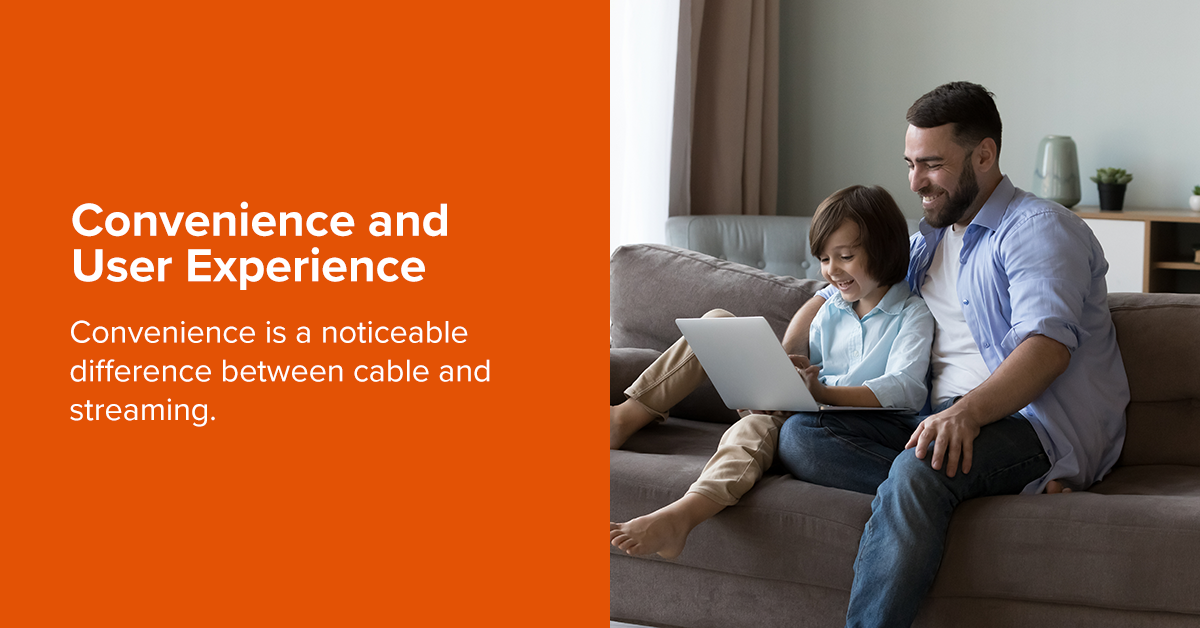
Convenience is a noticeable difference between cable and streaming. Cable relies on physical infrastructure, which may limit the experience to specific locations in the home. Watching content on another TV often requires additional boxes, while navigating channels and menus can feel slow or unintuitive. Service providers may limit recorded content to DVR storage, and accessing it remotely may be impossible.
Streaming removes these limitations. It allows families to watch on any device, from any room or outside the home. A child can continue a show on a tablet, while parents catch up on a series through a smart TV or laptop in another room. Personalized profiles ensure watch histories, recommendations and parental controls remain distinct for each family member.
Some streaming services also offer ad-free or limited ad viewing and cloud-based playback. Updates roll out automatically, and users can access new features as they emerge. This mobility, personalization and intuitive navigation add convenience to home entertainment.
Streaming vs. Cable TV: Which Is Best for You?
The choice between streaming services and cable TV depends on your household's viewing habits, budget and connectivity. For families who value flexibility, personalized viewing and freedom from long-term contracts, streaming provides convenience and control. It adapts easily as your needs change and may integrate with the devices you already use.
Cable is ideal for households located in areas with limited or unreliable high-speed broadband. For households that prefer scheduled programming or want an all-in-one setup with minimal account management, cable is still a good option.
If you're looking to test streaming services before canceling your cable subscription, consider using free trials or month-to-month subscriptions to see how well they fit your viewing needs. This approach allows you to experience on-demand viewing and multidevice access firsthand before committing to a full transition.
What Is the Best Internet for Streaming?
Fiber-optic is the best internet for streaming. It delivers the speed and reliability households need for uninterrupted entertainment across multiple devices. Fiber-optic transmits data using pulses of light through thin glass or plastic strands, which results in:
- High download speeds, so content loads fast and plays in full HD or 4K. Each HD stream typically requires around 25 Mbps, while 4K quality benefits from 50 Mbps or higher. Fiber meets or exceeds these thresholds even when several users are active.
- Low latency reduces delay during live broadcasts, sports and interactive content. Fiber's optical delivery keeps latency among the lowest of any broadband technology, ensuring smooth playback and crisp quality.
- Ample data capacity, or no data caps, prevent throttling and overage charges, allowing families to stream freely.
Power Your Streaming With i3 Broadband Fiber Internet
i3 Broadband makes it simple for you to enjoy reliable internet that keeps everyone in your home connected. We deliver fiber speeds that let you stream shows, watch sports and use multiple devices at the same time.
You get no contracts, free installation and activation and free technician visits. Our 30-day money-back guarantee ensures you can try our service risk-free. We even offer up to $300 contract buyout credit when you switch from another provider.
Our fiber network provides consistent speeds, low latency and no data caps. We also give you security features, parental controls and activity monitoring.
Ready to get started? Enter your address to see if the i3 network is available in your area.